
tempered glass oem
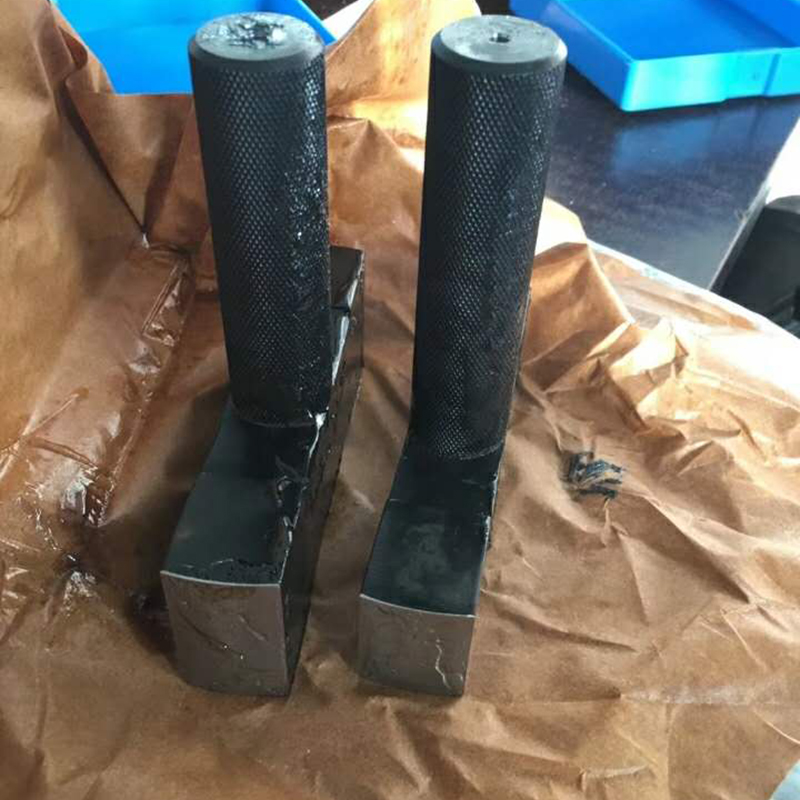
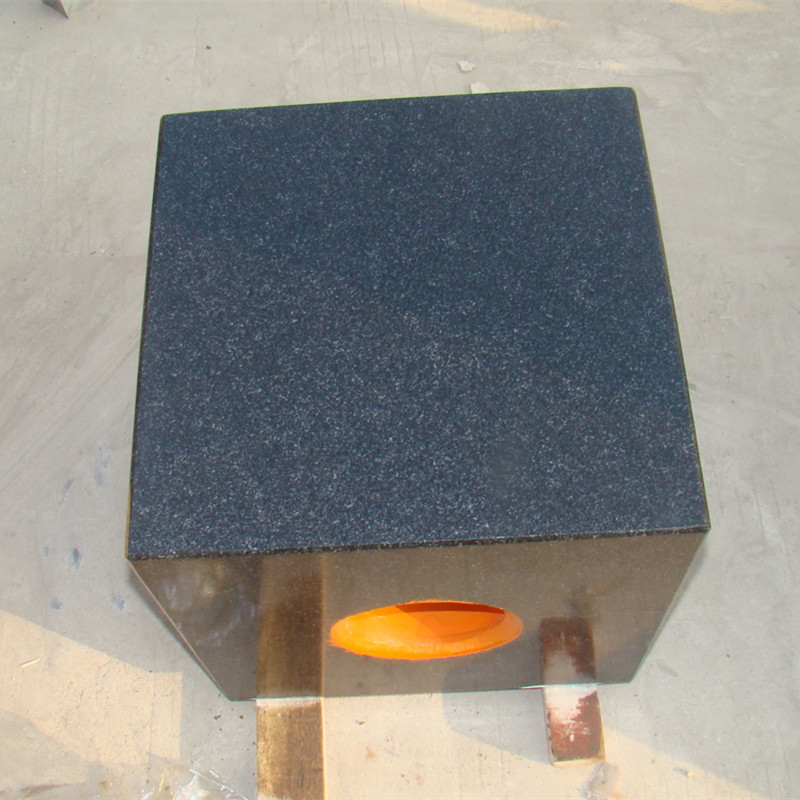
Narzędzia do znakowania metali - klucz do precyzyjnej obróbki Obróbka metali wymaga nie tylko odpowiednich umiejętności, ale także zastosowania właściwych narzędzi. W procesie tym, niezwykle istotną rolę odgrywają narzędzia do znakowania, które pozwalają dokładnie oznaczyć miejsce, w którym ma być wykonana obróbka. W artykule tym przyjrzymy się najpopularniejszym narzędziom do znakowania metali, ich zastosowaniom oraz znaczeniu w przemyśle metalowym. Narzędzia do znakowania metali - klucz do precyzyjnej obróbki Kolejnym ważnym narzędziem jest linijka oraz kątomierz. W obróbce metali niezwykle istotna jest dokładność wymiarów, dlatego linijka wykonana z wytrzymałych materiałów, takich jak stal nierdzewna, jest nieodłącznym elementem wyposażenia każdego warsztatu. Kątomierz natomiast umożliwia kontrolę kątów, co jest niezbędne przy tworzeniu elementów wymagających precyzyjnego dopasowania. Odpowiednie mierzenie i znakowanie to fundamenty jakościowej obróbki metalu, dlatego warto zainwestować w wysokiej jakości narzędzia pomiarowe. marking out tools for metal Innym narzędziem, które zasługuje na uwagę, jest markówka. To narzędzie, które pozwala na tworzenie linii znakujących na powierzchni metalu. Markówki są zazwyczaj wykonane z twardego materiału, który zapewnia trwałość i precyzję. Właściwe oznakowanie linii cięcia czy nawiercania jest kluczowe dla uzyskania estetycznych i dokładnie wykonanych elementów. Markówki można wykorzystać także do tworzenia wzorów lub oznaczania miejsc, w których zostaną dokonywane dalsze prace. Warto również wspomnieć o narzędziach elektronicznych, takich jak laserowe urządzenia do znakowania. Chociaż są one droższe, to oferują niespotykaną precyzję oraz możliwość wykonywania skomplikowanych wzorów. Dzięki technologii laserowej można znakować metale w sposób szybki i trwały, co znacznie podnosi jakość oraz estetykę wykonywanych detali. Narzędzia te są coraz częściej wykorzystywane w przemyśle, gdzie konkurencja wymusza na producentach stosowanie nowoczesnych rozwiązań. Podsumowując, narzędzia do znakowania metali odgrywają kluczową rolę w procesie obróbki. Dzięki nim możliwe jest precyzyjne oznaczanie miejsc, co przekłada się na jakość i dokładność wykonanego produktu. Inwestycja w odpowiednie narzędzia oraz ich właściwe wykorzystanie stanowią fundament udanego warsztatu zajmującego się obróbką metali. Bez wątpienia, odpowiednie markowanie ma potencjał, aby zredukować ilość błędów oraz zwiększyć efektywność pracy.
about
tempered glass oem
Types of Ball Valves in Plumbing Ball valves are essential components in plumbing systems, used for regulating the flow of water or other fluids. They are favored for their durability, reliability, and ease of operation. The design of a ball valve consists of a spherical disc (the ball) that fits snugly within the valve body, allowing it to control the flow through a pipe. When the valve handle is turned, the ball rotates, aligning a hollow opening with the flow path to allow fluid to pass or blocking it completely when turned perpendicular. This article explores the various types of ball valves commonly used in plumbing. Types of Ball Valves in Plumbing 2. Trunnion Mounted Ball Valves Unlike floating ball valves, trunnion mounted ball valves have a ball that is anchored at the top and bottom (the trunnions). This design allows for better handling of high-pressure applications, making them suitable for industrial settings. The trunnion design limits the ball's movement, providing a more stable seal and reducing wear and tear over time. These valves are often used in larger plumbing systems, including pipelines for oil and gas distribution. types of ball valves in plumbing 3. Full Port Ball Valves Full port ball valves have a ball with a bore that matches the diameter of the pipe. This design allows for unrestricted flow and minimal pressure drop. Full port valves are ideal for applications where maintaining flow rates is critical, such as in irrigation systems or complex industrial processes. 4. Reduced Port Ball Valves In contrast, reduced port ball valves feature a smaller ball diameter than the pipe, resulting in a slight restriction of flow. While this type of valve is known for its cost-effectiveness and compact design, it may not be suitable for all applications, especially where high flow rates are essential. 5. Manual and Automated Ball Valves Ball valves can also be categorized based on their operation. Manual ball valves are operated by a lever or handle, giving the user direct control over the flow. Automated ball valves, on the other hand, are controlled electronically, allowing for remote operation and integration into complex plumbing systems that require automated control, such as in smart buildings or industrial plants. In conclusion, the selection of the appropriate ball valve type depends on factors such as the specific application, pressure and flow requirements, and budget considerations. Understanding the difference between floating and trunnion mounted ball valves, as well as the benefits of full and reduced port options, can help in making informed decisions when designing or maintaining plumbing systems.
-

High quality industrial productsagement

High quality industrial products
View Details -

Meet the diverse needs of customers

Meet the diverse needs of customers
View Details -

Strict quality control

Strict quality control
View Details -

Top raw materials

Top raw materials
View Details -

Trusted supplier

Trusted supplier
View Details
Our application


news and information

Water Hose Backflow Prevention Valve Inspection and Maintenance Guide
The Importance of Water Hose Check Valves Water hose check valves play a crucial role in hydraulic s

Y Strainer Buhar Tuzağı Performansı ve Kullanım Alanları Hakkında Bilgi
Y Strainer ve Buhar Tuzakları Verimli Endüstriyel İşlemler için Kritik Bileşenler Endüstriyel tesisl

which way is open on a water valve
Understanding Water Valve Orientation Which Way is Open? Water valves are crucial components in plum
 English